

Industrial construction is evolving faster than ever, and businesses today demand structures that are strong, scalable, cost-efficient, and quick to build. This is exactly why PEB (Pre-Engineered Buildings) have become the preferred choice across industries such as manufacturing, logistics, warehousing, cold storage, and EV infrastructure.
PEB technology has transformed the way factories, warehouses, and commercial units are built—replacing slow and expensive conventional construction with a faster, smarter, and engineering-driven approach.
What Are Pre-Engineered Buildings?
PEB structures are factory-fabricated steel components designed according to load requirements and assembled on-site using high-precision engineering.
This makes them:
- Faster to install
- More durable
- Cost-effective
- Highly flexible for industrial use
Every component—beams, columns, rafters, purlins, sheets—is manufactured in controlled conditions to ensure accuracy and quality.
1. Speed of Construction: The Biggest Advantage
In industrial projects, time = money.
PEB structures can be built 40–60% faster compared to traditional buildings.
Why?
- Steel members are pre-fabricated in the factory
- On-site work is minimal
- Installation uses bolting, not slow wet construction
- Parallel site work and fabrication save months of time
For businesses that need quick setup—logistics hubs, manufacturing units, EV stations—PEBs are unbeatable.
2. Superior Strength & Safety
PEB buildings use high-grade steel engineered to withstand:
- Heavy loads
- Machinery vibrations
- Wind and seismic conditions
- Long spans without internal columns
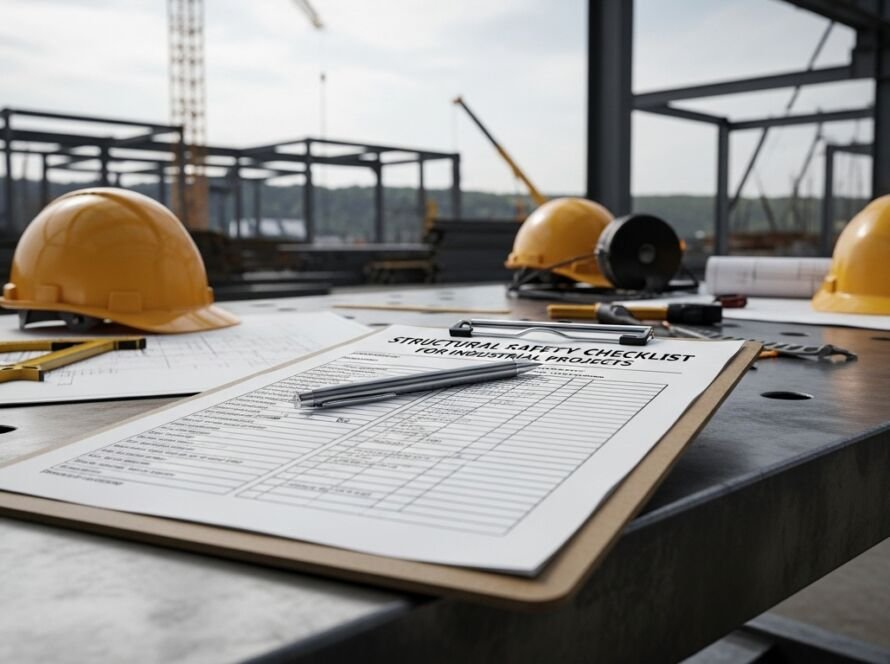
This makes them ideal for wide factories, warehouses, workshops, and energy facilities where structural strength is critical.
3. Cost-Effective From Start to Finish
PEB structures reduce cost in multiple ways:
- Lower steel consumption due to optimized design
- Shorter project timelines = less labour cost
- Reduced maintenance
- Energy-efficient roofing and insulation options
- Less material wastage
Overall, PEBs offer 10–25% cost savings compared to conventional methods.
4. Flexibility for Industrial Expansion
Industries grow—and their buildings must grow too.
PEB structures are highly adaptable:
- Extend the building length easily
- Add new bays, mezzanines, or utility sections
- Modify internal layouts without major structural changes
This makes them perfect for fast-growing businesses, warehouses, and production units.
5. High-Quality, Factory-Controlled Fabrication
Traditional construction relies heavily on on-site labour, where quality may vary.
PEB components are fabricated in a controlled factory environment, ensuring:
- Uniform quality
- Accurate dimensions
- Better welding standards
- Use of CNC machines, modern fabrication systems
- Strict QA/QC checks
This leads to stronger, safer, and more reliable buildings.
6. Low Maintenance & Long Life
Steel buildings do not crack, warp, or deteriorate like concrete structures.
They resist:
- Corrosion
- Moisture
- Pests
- Chemical exposure
With proper painting and basic upkeep, PEB buildings last 40+ years.
7. Ideal for Modern Industrial Needs
Today’s industries require:
- Big clear spans
- Heavy loading
- Fast setup
- Energy efficiency
- Low operational cost
PEBs perfectly match these requirements, making them suitable for:
- Warehouses & logistics hubs
- Cold storage & food processing
- Factories & production units
- Petroleum retail outlets
- Assembly units
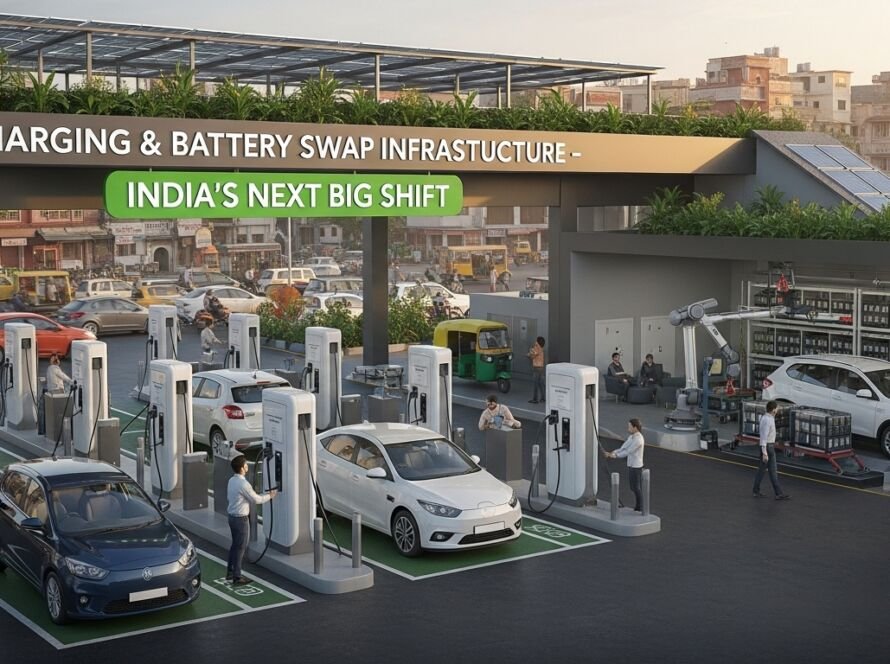
- EV charging stations & battery swapping centers
- Commercial and public utility buildings
Conclusion: PEB Buildings Are the Future
With unmatched speed, strength, flexibility, and cost benefits, PEB buildings have become the backbone of modern industrial development. As industries move towards automation, precision, and speed, PEB structures offer the perfect foundation for growth.
Businesses that adopt PEB technology gain a clear advantage—faster setup, lower costs, better structural performance, and future-ready infrastructure.