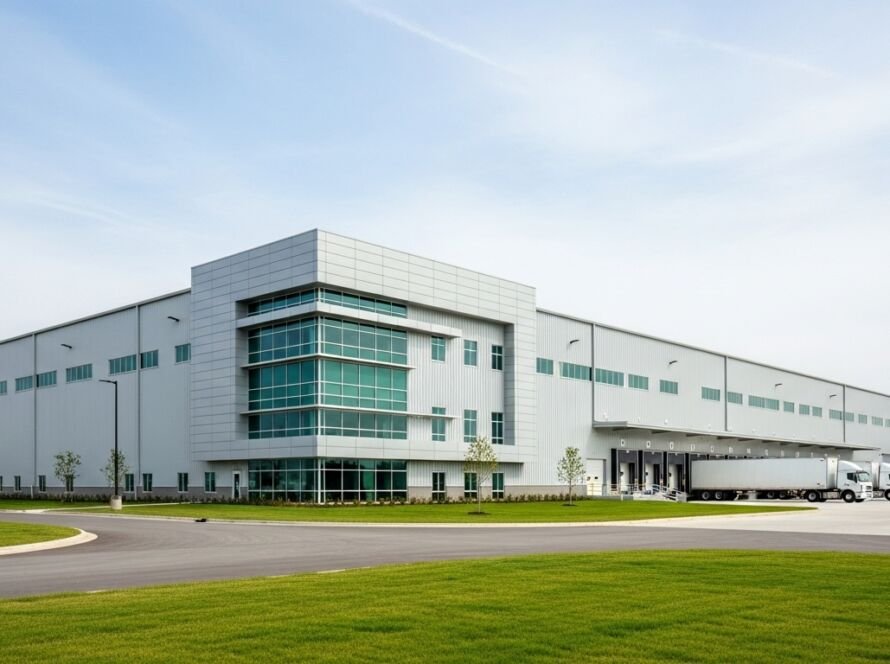


Ensuring structural safety is one of the most important responsibilities in any industrial project. Factories, warehouses, steel structures, and PEB buildings are exposed to heavy loads, machinery vibrations, environmental forces, and operational stress. A strong safety checklist helps prevent failures, reduces risk, and ensures long-term performance of the building.
Below is a practical safety checklist that every industrial project should follow.
1. Soil Testing and Foundation Stability
Before any construction begins, soil quality must be tested to determine load-bearing capacity, type of foundation required, and potential issues like settlement or moisture retention.
Checklist:
• Conduct geotechnical investigation
• Verify soil load capacity
• Ensure foundation design matches soil conditions
• Check for groundwater levels and soil erosion risks
2. Material Quality Verification
Strong structures depend on high-quality materials. Substandard steel, concrete, or fasteners can cause failures.
Checklist:
• Test incoming steel for grade and thickness
• Ensure concrete mix ratios follow design
• Verify bolts, nuts, and fasteners meet required standards
• Maintain material test certificates (MTC)
3. Structural Design Review
A well-engineered design is the backbone of safety. All drawings and calculations must be validated before execution.
Checklist:
• Load calculations (dead load, live load, wind load, seismic load)
• Cross-check structural member sizing
• Review connection details and welding specifications
• Confirm compliance with IS standards and industrial codes
4. Welding and Fabrication Quality
Poor welding is one of the biggest causes of structural failure. Industrial structures require precise, tested welds.
Checklist:
• Use certified welders
• Inspect weld joints visually and via NDT (like ultrasonic testing)
• Verify thickness, penetration, and bead consistency
• Follow approved welding procedure (WPS)
5. Bolt Tightening and Connection Checks
Structural connections must be secure to withstand load transfer and vibrations.
Checklist:
• Ensure proper torque levels for all bolts
• Use high-tensile bolts where required
• Check for loose, missing, or over-tightened bolts
• Recheck connections during and after erection
6. Alignment and Level Accuracy
Incorrect alignment leads to stress concentration and premature structural issues.
Checklist:
• Verify verticality of columns
• Ensure beam and rafter alignment
• Check plumb lines, levels, and grid positions
• Measure span distances during installation
7. Roof and Cladding Installation Safety
Incorrect roofing installation can lead to leaks, displacement, or collapse.
Checklist:
• Secure roof sheets properly
• Ensure purlin spacing is as per design
• Check for proper insulation and sealing
• Avoid overloading the roof during installation
8. Load Testing and Safety Validation
After erection, the structure must be inspected for stability before operation.
Checklist:
• Perform load testing where applicable
• Check deflection limits
• Verify crane beam levels (if crane systems are included)
• Complete a comprehensive safety audit
9. Fire and Emergency Safety Compliance
Industrial buildings must be designed with safety systems to reduce hazards.
Checklist:
• Provide fire-resistant materials where needed
• Ensure clear emergency exits
• Install fire-fighting and alarm systems
• Maintain proper ventilation for heat and fumes
10. Routine Maintenance and Annual Inspections
Even the strongest structures require periodic checks.
Checklist:
• Inspect structural joints and welds annually
• Repaint or treat steel to prevent corrosion
• Check roof sheets and bolts after storms
• Monitor vibration-sensitive areas around heavy machinery
Conclusion
A strong structural safety checklist ensures that industrial buildings remain stable, durable, and safe throughout their life. By following these essential steps from design to regular maintenance, companies can avoid costly failures and maintain reliable infrastructure for years.